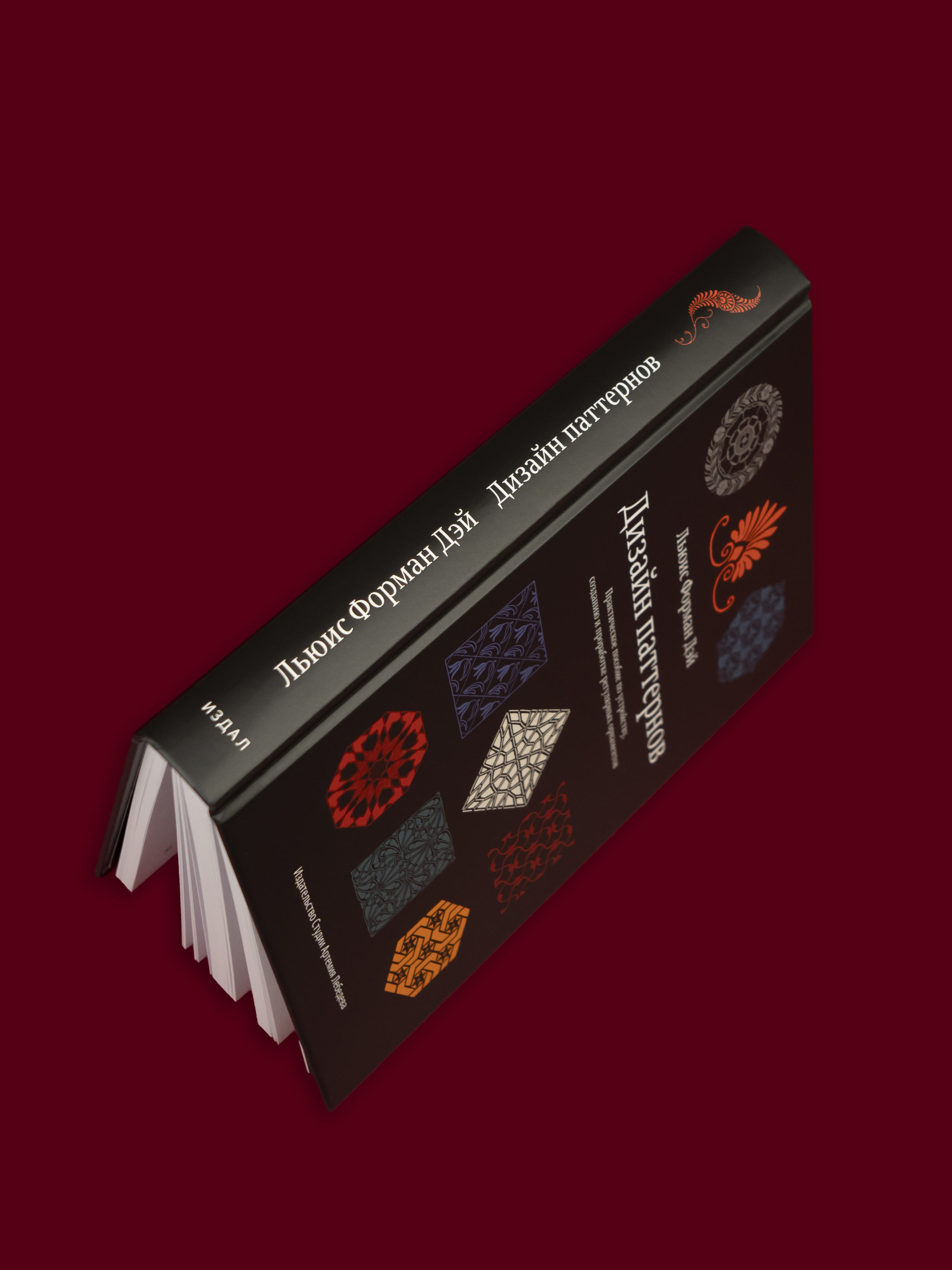
Lewis Foreman Day’s book “Pattern Design. A Practical Manual on the Arrangement, Creation, and Working out of Regular Ornaments”
It is enough to take any form and reproduce it at regular intervals, and we are guaranteed to obtain a pattern—just as repeating sounds create rhythm in music. However, well‑thought‑out pattern design is not a game of chance but the deliberate work of an artist who carefully constructs a harmonious ordered structure in order to obtain an aesthetic product.
This is exactly what the classic 1903 book by Lewis Foreman Day teaches, revised and expanded by Aymar F. (Aymar Fenn) three decades after its first publication. Examining patterns in various applications—from architecture to graphics and textiles—Day lays bare their geometric foundations and clearly shows how to plan, construct, and develop regular ornaments. He presents pattern as a key element of decorative art and equips designers with a rich arsenal of technical knowledge and methods.
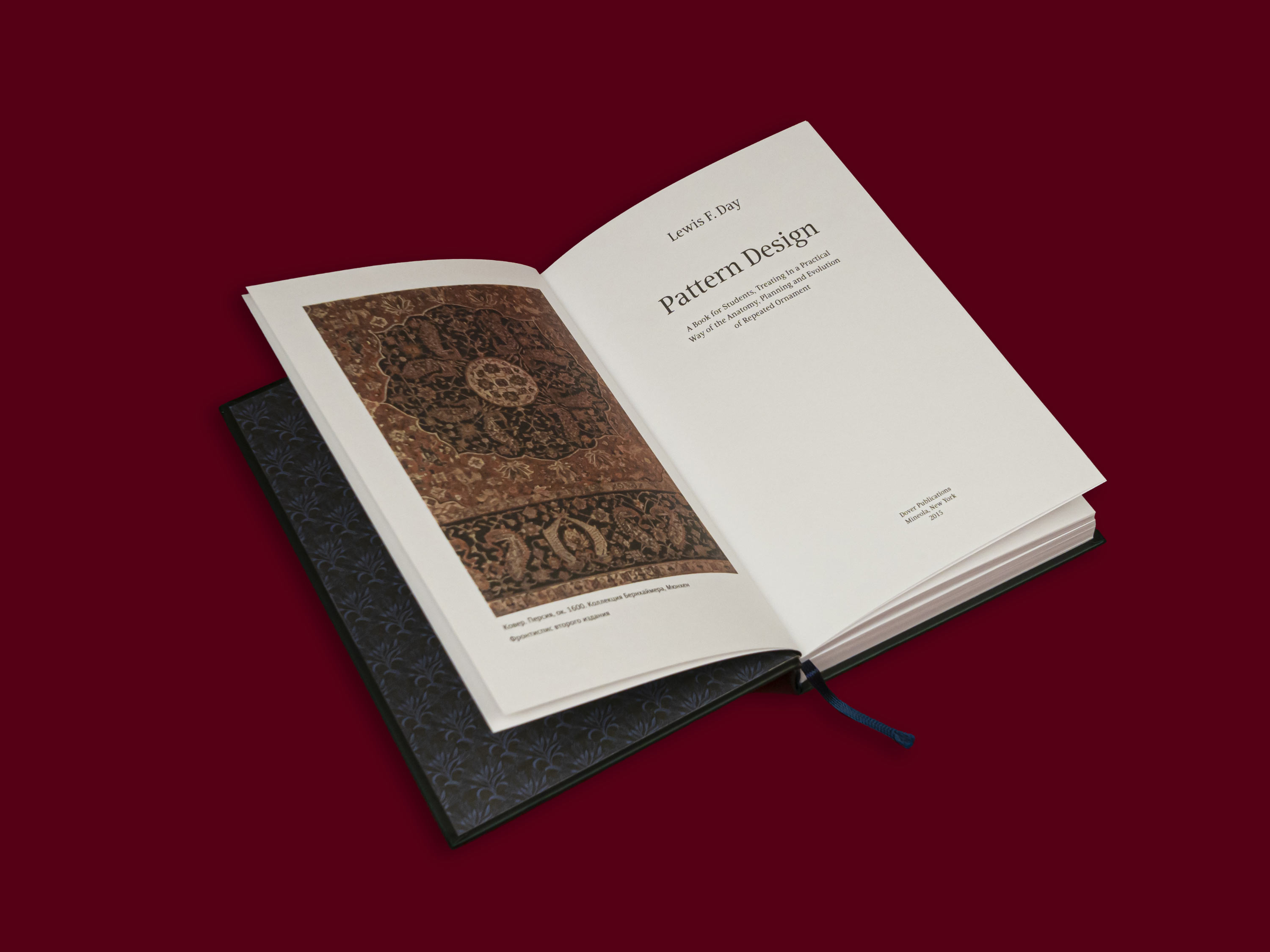
«
Readers who have voluntarily taken a book on patterns into their hands are hardly in need of proof that this subject deserves consideration. Patterns, for all their modest claims to artistic value, cover enough surfaces to merit our attention. They are everywhere—there are even more of them than necessary—and the lion’s share of them, unfortunately, is such that people with cultivated taste sometimes wish they did not exist at all. Nevertheless, there is no getting away from patterns.
If all interested parties had a better understanding of the subject and knew what is within and beyond the designer’s power, how patterns are created and what their possibilities and purposes are, and also had an idea of the sequence of stages through which a design passes before production (in order to bring the consumer a fleeting joy or a cause for constant irritation), patterns would be much easier to handle. As a rule, the complexity of developing a design does not correlate at all with the field of its application. In the case of patterns, which even those not involved in their manufacture and distribution have to deal with, the inventiveness required of the creator is inversely proportional to the extremely small amount of freedom provided.
William Morris admitted that it is much easier to design a large hand‑made carpet—when the designer is, broadly speaking, free to create whatever he wishes—than to create a small repeating motif for Wilton or Kidderminster carpet. The art of pattern design lies not in filling large surfaces with them impressively, but in finding a successful solution within given constraints.
»
Из главы 1 «Что такое паттерн»
Despite the fact that the book is devoted to a rather narrow and specific field of decorative design, the author’s advice is often universal, profound, and undoubtedly valuable in any creative work.
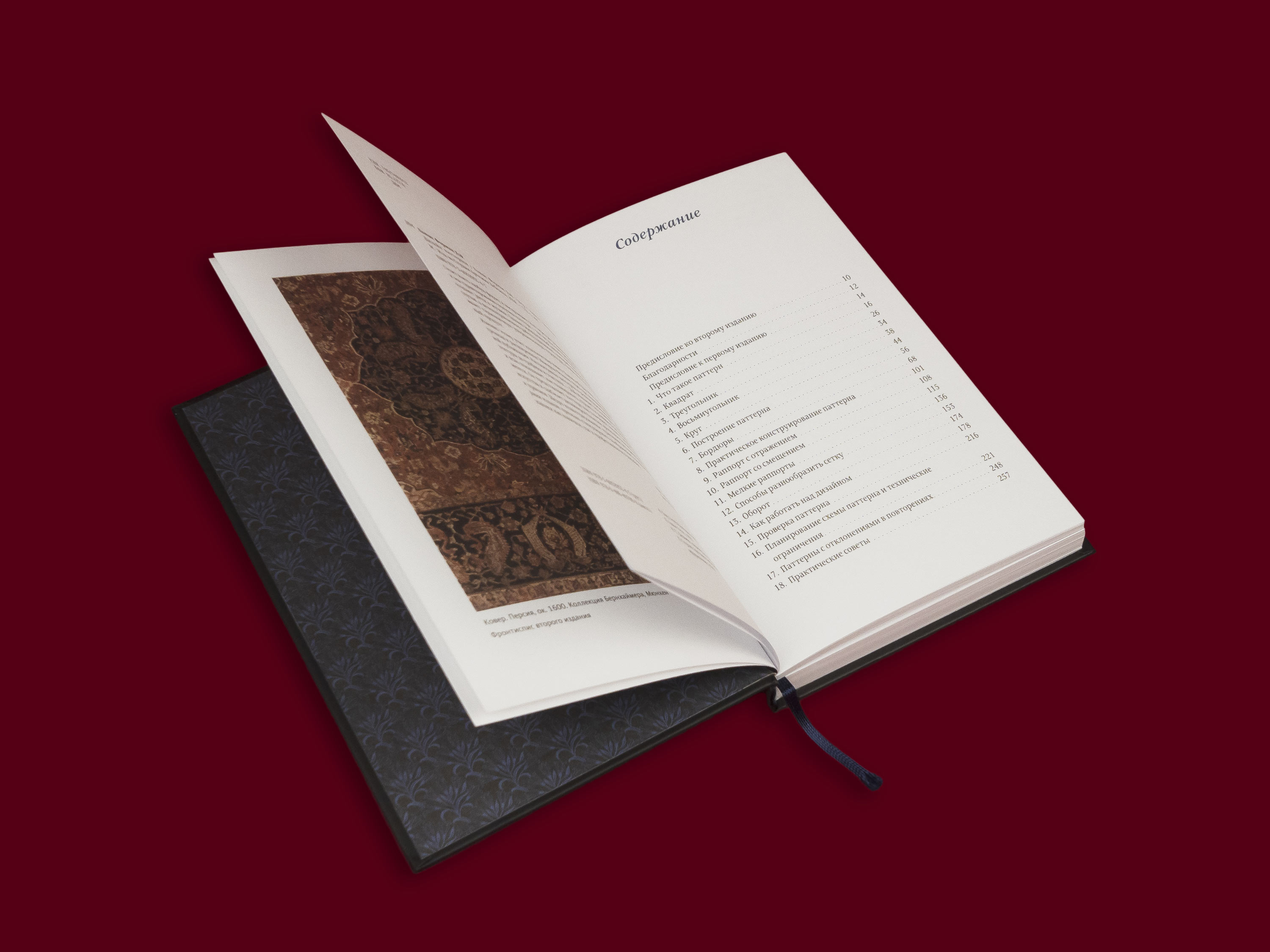
«
In design, there often comes a moment (sometimes it comes very quickly) when it is more productive to abandon an idea and start over, unless the designer is firmly convinced of the value of his concept. This decision is always painful, but a professional recognizes the wisdom of such a sacrifice after the first disappointment has passed.
There are different paths to good design, but it is useless to set about creating a pattern without preparation. There is no point in approaching the paper without a preliminary plan, just as there is none in thoughtless sketching. It is important to wait for inspiration—it will come. Before the internal gaze of the designer there will arise colored spots arranged in a certain way, or lines turning into ornament, there will appear lush growth or stern bare branches against the sky. The starting point will be a memory, a natural scene, or a vivid impression from exposure to art. It is possible that a technical assignment will require an original way of thinking—sometimes a design begins with that as well.
»
Из главы 14 «Как работать над дизайном»
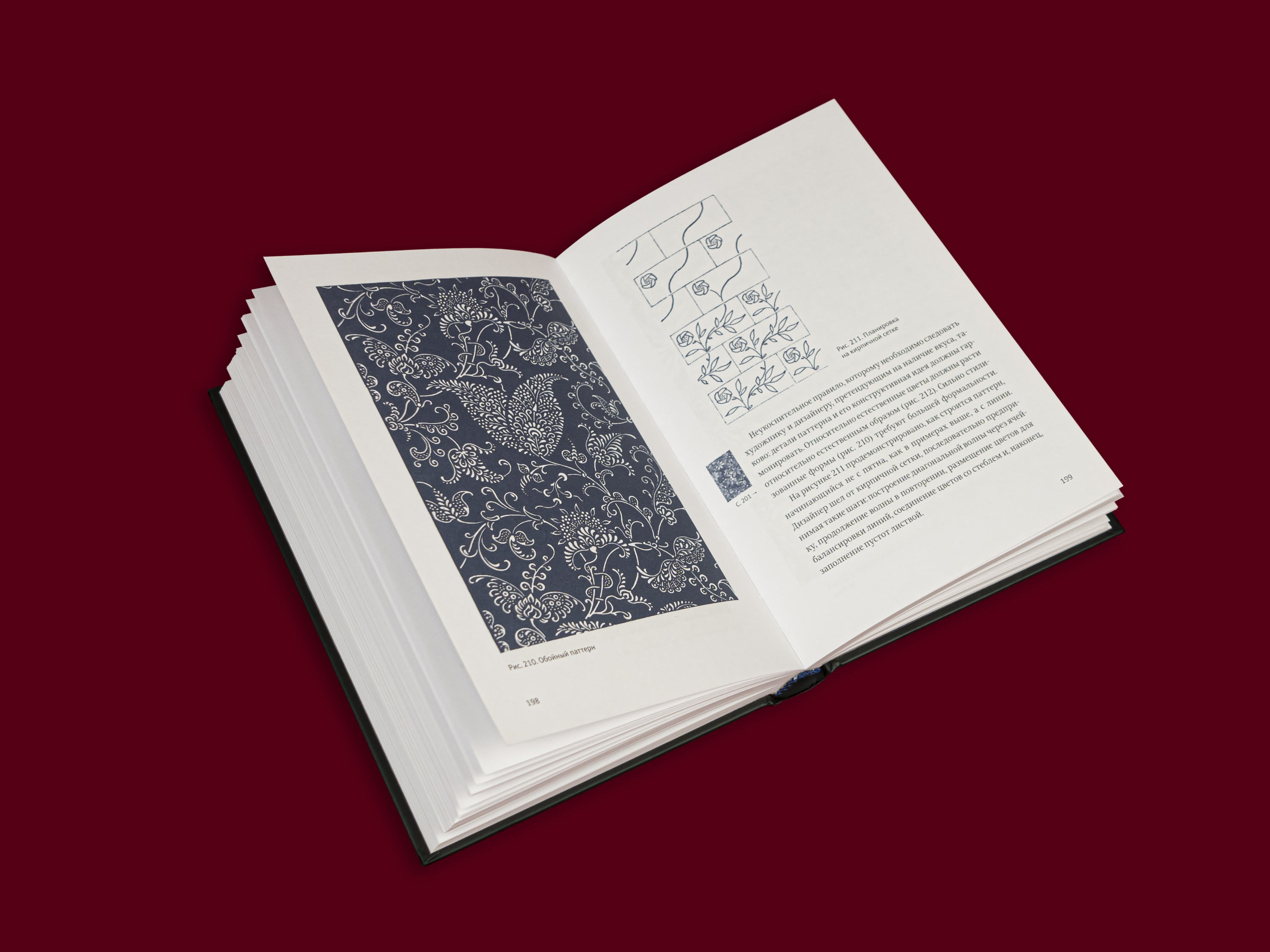
«
As for “completion,” a layout is considered complete when it unambiguously shows the next craftsman in the production chain what is to be done. To achieve this goal—the sole purpose of the layout—the designer must himself understand exactly what he wants, and convey it clearly and definitively in any suitable visual technique.
»
Из главы 18 «Практические советы»
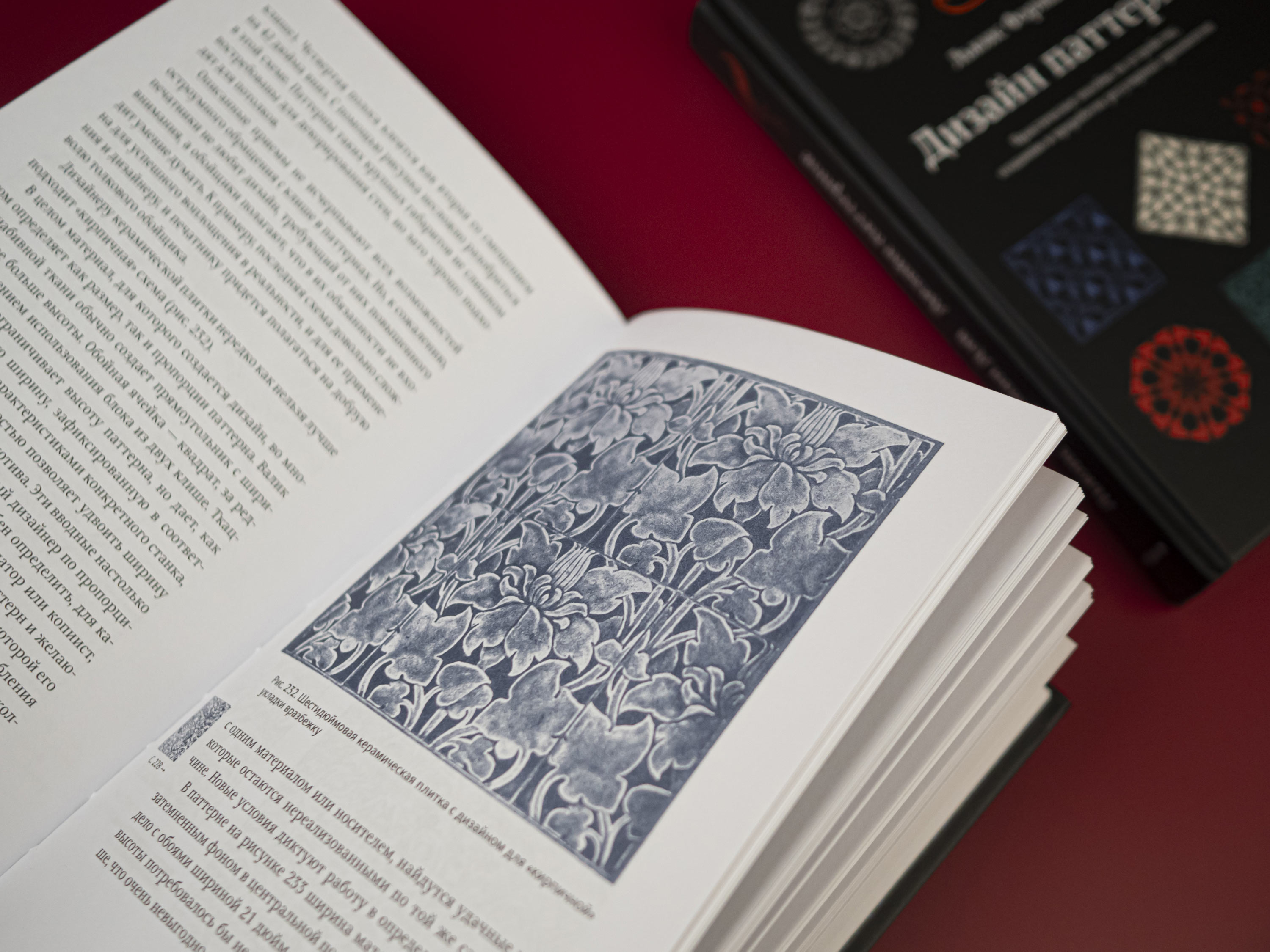
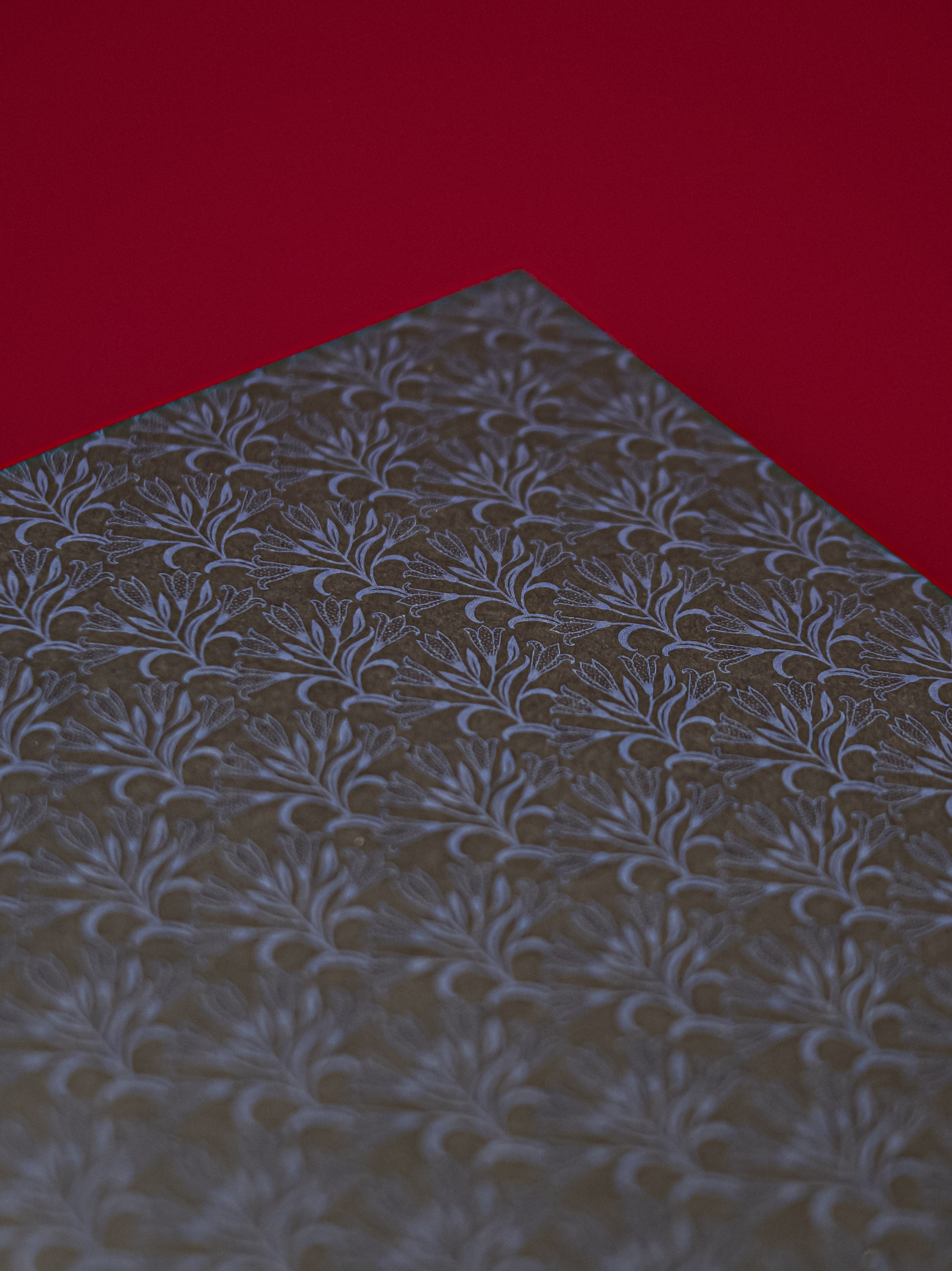
The edition is generously illustrated with wonderful historical examples, intended to stimulate the imagination and improve the skills of both beginners and professionals in design.
арт-директор
корректор
- Антонина Семенова
-
- Твердый переплет
- Объем — 312 стр.
- Формат — 150×225 мм
- Тираж — 3000 экз.
-
ISBN 978-5-6052935-4-5
